Scott 3200A Tailwheel – Fully Rebuilt: Heavy-Duty General Aviation Tailwheel Assembly
Scott 3200A Tailwheel – Fully Rebuilt: Heavy-Duty General Aviation Tailwheel Assembly
Blog Article
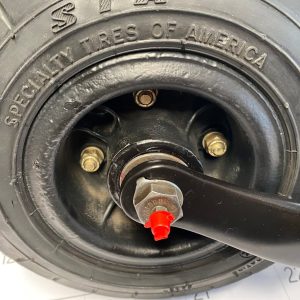
The Scott 3200A Tailwheel – Fully Rebuilt gives operators an alternative to an unknown used assembly when the rebuild process, component condition, and package contents are documented clearly. A fully rebuilt description should identify which bearings, bushings, springs, steering components, seals, fasteners, wheel parts, and wear items were replaced or retained.
The Scott 3200A Tailwheel Assembly should be matched with the aircraft tail spring, mounting arrangement, steering linkage, operational weight, and approved configuration. The actual condition of a Scott Tailwheel Assembly should be determined through appropriate inspection rather than cosmetic appearance alone.
A worn or incorrectly configured Aircraft Tailwheel Assembly can contribute to shimmy, poor tracking, binding, excessive swivel, uneven tire wear, or difficult maneuvering. A General Aviation Tailwheel may be used on training aircraft, classic taildraggers, bush airplanes, utility platforms, experimental aircraft, and restored vintage designs.
Whether the goal is a Replacement Aircraft Tailwheel or a broader purchase of General Aviation Landing Gear Parts, qualified review provides the strongest foundation.
Overview of the Fully Rebuilt Scott 3200A
The Scott 3200A combines mechanical steering and swivel functions in a design familiar to many tailwheel pilots, restorers, and aviation maintenance professionals. A system-level evaluation can identify the true cause of binding, looseness, poor centering, irregular tire wear, or inconsistent ground control.
Scott 3200A Tailwheel Applications
Actual operation depends on the complete aircraft installation rather than the tailwheel assembly alone. A rebuilt unit may include inspected housings, renewed bearings, replacement bushings, serviced steering components, fresh lubrication, suitable hardware, and adjusted internal parts.
Scott Tailwheel Assembly Service Quality
Final adjustment and functional testing should confirm that the Scott Tailwheel Assembly operates consistently. A written work summary helps explain how the seller defines the assembly’s condition.
Aircraft Tailwheel Assembly Operation
An Aircraft Tailwheel Assembly allows the rear of the airplane to roll and respond to steering input during ground movement. The tail spring and steering linkage strongly affect how the assembly responds to pilot input.
Choosing a General Aviation Tailwheel
Each operating environment places different demands on the tire, wheel, fork, bearings, steering mechanism, hardware, and lubrication. Experimental aircraft installations should be evaluated according to the builder’s configuration and applicable operational requirements.
Maintaining an Aircraft Tailwheel
The assembly remains part of a complete ground-handling system that also includes rudder control, brakes, main gear, and pilot technique. The axle and bearings should be included in routine maintenance and rebuild inspection.
Taildragger Ground Handling
Mechanical wear, poor alignment, or unsuitable steering adjustment can increase pilot workload. Taildragger operation may expose the assembly to side loads during crosswind taxiing, landing corrections, tight turns, and directional-control events.
Benefits of an Aviation Tailwheel System
A problem in one area can create symptoms elsewhere in the installation. Correct here setup supports consistent Aviation Tailwheel System operation.
Tailwheel Steering Assembly Performance
A Tailwheel Steering Assembly converts rudder-related input into directional movement during taxiing and low-speed ground operations. The full steering and swivel range should be checked after installation.
Maintaining Aircraft Ground Handling Components
Poor steering response can increase tire wear, brake use, pilot workload, and difficulty in confined spaces. Towbars and handling equipment should match the aircraft and remain clear of vulnerable tailwheel components.
Scott 3200 Tailwheel Applications
Its established design supports servicing, adjustment, rebuilding, and parts replacement by knowledgeable aviation professionals. Different Scott 3200 variants, later manufacturing versions, replacement parts, and modified assemblies may exist.
Choosing a Heavy-Duty Aircraft Tailwheel
A larger or heavier-looking assembly is not automatically appropriate for every aircraft. Durability depends on structural condition, bearing service, steering-spring integrity, wheel alignment, lubrication, tire condition, and correct installation.
Maintaining Tailwheel Components
Visually similar hardware can differ in dimensions, material, strength, finish, or mechanical fit. Small wear items can have a significant influence on steering performance and service life.
Choosing an Aircraft Steering Tailwheel
An Aircraft Steering Tailwheel helps direct the airplane during taxi by responding to the rudder-linked steering arrangement. Pilots should use techniques appropriate to the aircraft and avoid unnecessary mechanical stress.
Installing a Replacement Aircraft Tailwheel
The rebuilt Scott 3200A should be compared with both the existing installation and the intended aircraft configuration. A professional pre-installation review protects both the aircraft and the buyer’s investment.
Choosing General Aviation Landing Gear Parts
Main-wheel alignment, brake condition, tire pressure, and airframe rigging can influence how a taildragger behaves on the ground. Transparent descriptions support trust among aircraft owners, sellers, and maintenance professionals.
Evaluating a Scott 3200A Tailwheel
The buyer should request enough information for a qualified maintenance professional to review the assembly before purchase.
- Determine whether the sale includes the tire, wheel, axle, bearings, steering springs, chains, mounting bolts, fittings, and rebuild records.
- Inspect the assembly for cracks, corrosion, bending, damaged threads, enlarged holes, fork distortion, tire wear, rough rotation, and excessive looseness.
- Retain all purchase and rebuild records with the appropriate aircraft maintenance information.
Professional Scott 3200A Installation
Installation should be completed by appropriately qualified personnel familiar with conventional-gear aircraft and mechanical tailwheel steering systems. The tailwheel should move through its intended range without binding, abnormal looseness, interference, or contact with surrounding components.
Controlled taxi testing may help confirm steering response, centering, ground tracking, brake interaction, and shimmy resistance.
Maintaining the Scott 3200A Tailwheel
Consistent servicing protects the value of the Scott 3200A Tailwheel – Fully Rebuilt. The tailwheel should not be ignored simply because it is positioned behind the pilot’s normal field of view.
Responsible care supports dependable Scott Tailwheel Assembly performance.
Buying a Fully Rebuilt Scott Tailwheel
The Scott 3200A Tailwheel – Fully Rebuilt may suit aircraft owners, bush operators, restoration facilities, flight schools, maintenance organizations, and pilots seeking renewed ground-handling performance. Careful technical and commercial evaluation can reduce compatibility problems, repeated repairs, project delays, and unexpected costs.
Whether buyers need an Aircraft Tailwheel, Taildragger Tailwheel, Aviation Tailwheel System, or Tailwheel Steering Assembly, qualified inspection remains essential. With responsible operation, protected shipping, timely maintenance, and organized documentation, the rebuilt tailwheel can remain a valuable aviation component.
Report this page